Brainspotting Therapy
Access Deep Healing Where Words Fall Short
Some experiences don’t live in language.
They live in the body, the nervous system, and the deeper parts of the brain.
Brainspotting is a powerful, evidence-informed trauma therapy that helps access and process these deeper layers—gently, safely, and at your pace.
If you’ve tried talk therapy and still feel stuck, overwhelmed, or triggered, Brainspotting may offer a different path forward.
What Is Brainspotting?
Brainspotting is a neurobiological therapy that helps identify and process unhealed trauma, emotional pain, and stress stored in the brain and body.
Developed by David Grand, Brainspotting works by using eye position to access specific neural networks where distress is held. These “brainspots” act as access points to deep emotional and physiological healing.
Unlike traditional talk therapy, Brainspotting does not require you to relive or explain everything verbally. The brain does much of the work naturally, with the therapist providing attuned, regulated support.
How Brainspotting Works
During a Brainspotting session, we work together to:
• Identify a specific emotional, physical, or relational issue
• Locate the eye position connected to that experience
• Allow the brain and body to process what’s been held—without forcing or retraumatizing
• Support nervous system regulation throughout the session
Sessions are often quiet, focused, and deeply experiential. Many clients describe them as subtle yet profound.
What Brainspotting Can Help With
Brainspotting is especially effective for:
• Trauma and developmental trauma
• Anxiety, panic, and chronic stress
• Overwhelm and emotional reactivity
• PTSD and complex trauma
• Grief and loss
• Performance blocks
• Chronic pain or psychosomatic symptoms
• Feeling “stuck” despite insight or effort
You don’t need to have a clear memory or story for Brainspotting to be effective.
What Makes Brainspotting Different
Brainspotting is:
Body-based – works with the nervous system, not just thoughts
Non-invasive – you remain in control at all times
Client-led – your brain sets the pace, not the therapist
Deep yet gentle – no forced exposure or reliving trauma
Effective when talk therapy isn’t enough
This approach respects your system’s wisdom and capacity to heal.
What a Session Feels Like
Every experience is unique, but clients often report:
• A sense of deep focus or inward awareness
• Physical sensations releasing or shifting
• Emotional insight without overwhelm
• Feeling calmer, clearer, or lighter afterward
• Gradual but lasting change over time
Some sessions feel subtle; others feel powerful. Both are meaningful.
Is Brainspotting Right for You?
Brainspotting may be a good fit if you:
• Feel triggered but don’t know why
• Understand your patterns but can’t change them
• Feel emotionally or physically “on edge”
• Want trauma-informed therapy that goes deeper than talk
• Value a calm, grounded, nervous-system-aware approach
We will always move at a pace that feels safe and supportive for you.
My Approach
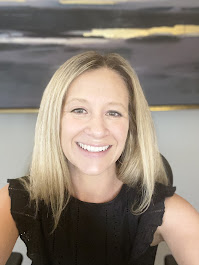
As a licensed therapist, I integrate Brainspotting with a trauma-informed, relational, and nervous-system-based approach. Sessions are collaborative, respectful, and grounded in safety and consent.
You are never pushed, rushed, or asked to go somewhere you’re not ready to go.
Ready to Begin?
If you’re curious about Brainspotting or wondering whether it’s the right next step, I invite you to reach out.
Healing doesn’t have to be forced.
Sometimes, it just needs the right access point.